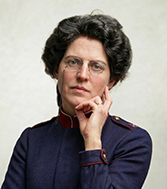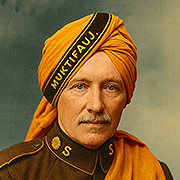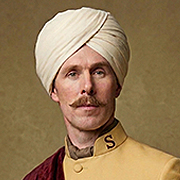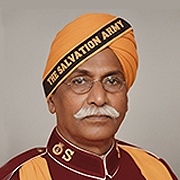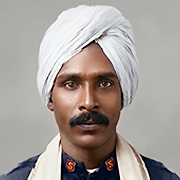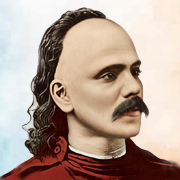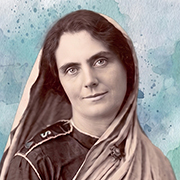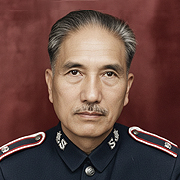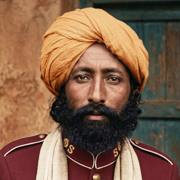
Frederick St. George de Latour Tucker was inspired by The Salvation Army's mission in London after reading their publication, The War Cry. The Salvation Army officially began its work in India on September 19, 1882, in Bombay (now Mumbai). Tucker, a former Indian Civil Service (ICS) officer, resigned to join the Army in London and then returned to India to establish its mission. He arrived in Bombay with three other officers. To gain the trust of the local population, they adopted aspects of Indian culture, such as wearing saffron robes like Indian fakirs, going barefoot, and taking Indian names. Tucker himself became known as Fakir Singh.
In the early years, the group faced legal persecution and was initially viewed as a threat to social order by the colonial government. Between 1892 and 1896, operations expanded to the South, starting in South Travancore (now Kanyakumari district) after a "Boom March" in 1892.
From 1893 to 1908, The Salvation Army focused on medical and social reform. They opened their first medical dispensary in Nagercoil in 1893. In 1908, they began working with groups designated as "Criminal Tribes" at the invitation of the government, establishing settlements that provided vocational training and education.
Today, India is the oldest mission field for The Salvation Army, with over 300,000 members. The work is managed through a National Office located in Kolkata and is divided into six administrative territories.
- The Invasion of The Salvation Army in India (History of Salvation Army in India) : >>Read More