
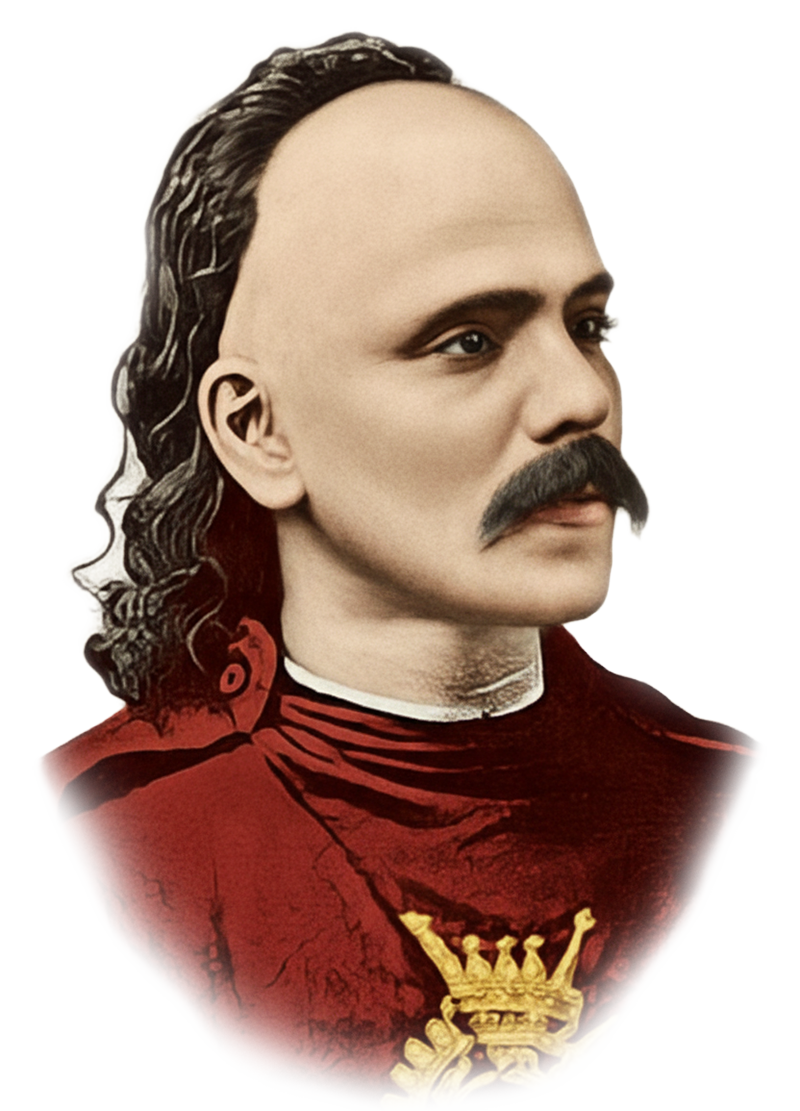
Arnolis Weerasooriya
Arnolis (also known as Arnold) Alexander Weerasooriya (Sinhala: අර්නෝලිස් වීරසූරිය; 20 September 1854 – 18 May 1888) was the first Ceylonese Colonel of the Salvation Army. He also served as Second in Command for the Indian subcontinent from 1887 to 1888. Weerasooriya came from the renowned Weerasooriya family of Dodanduwa and Hikkaduwa, and he is recognised as the first Sinhalese member of the Salvation Army.
Weerasooriya was born around 1854 or 1857 in Dodanduwa, Ceylon. He was the third son of Don David Weerasooriya (1824-1911) and Dona Maria née Jayawardene (1833-1922), in a family comprising five sons (including Arnolis) and seven daughters. His sister, Agnes, was the mother of David Paynter, an internationally acclaimed Sri Lankan painter, and his uncle was Sri Piyaratana Tissa Mahanayake Thero. Weerasooriya was a bright student who attended Trinity College, Kandy, and later became a teacher there. Every Sunday, he would take school boarders to St. Paul's Church in Kandy for morning and evening services.
Arnolis's father, Don David Weerasooriya, was known as an Arachchi, following in the footsteps of his own father, Don Johannes de Silva Weerasooriya, who was also a Patabendi Arachchi and a police officer. Aside from his public service, Don David played a significant role in the construction of the Dodanduwa Bridge. He and his cousin, Alexander Theodore Weerasooriya—who was a Proctor and a member of the Galle Municipal Council—donated the land and buildings for the Holy Trinity Church in Patuwatha, which was consecrated on 22 October 1875.
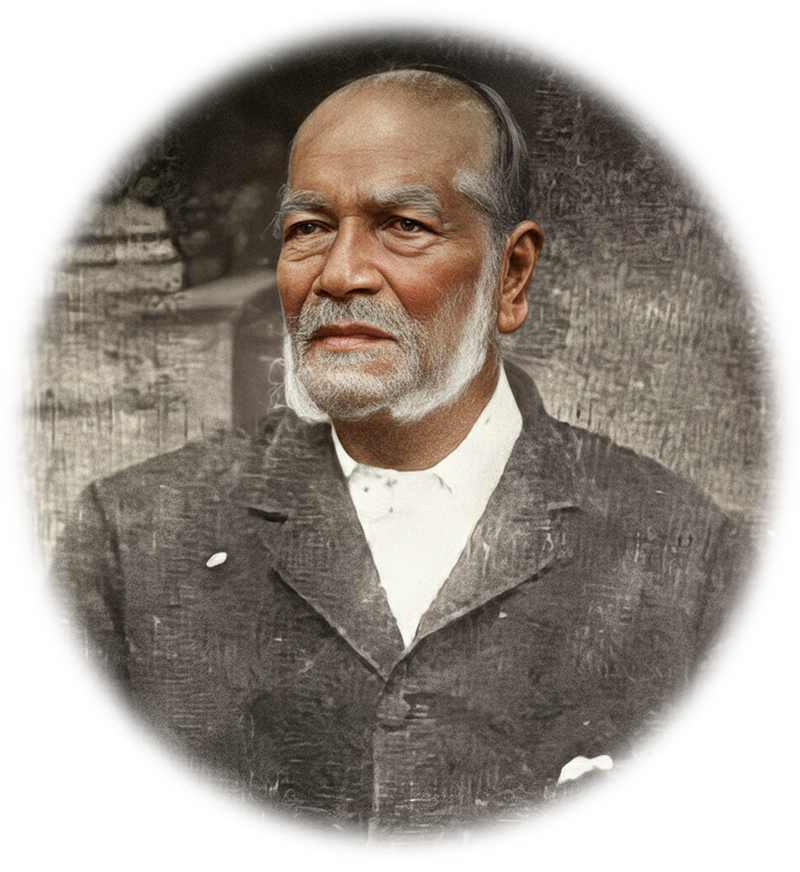
While studying at Trinity College, Weerasooriya aspired to become a barrister. However, his life took a different direction when he met Captain William Gladwin of the Salvation Army, who was preaching in Kandy. Weerasooriya remarked that this meeting “changed my life.” Instead of pursuing a law career, he felt a calling to serve the Lord Jesus Christ.
Despite being warned by the Principal of Trinity College that he would face expulsion due to his influence on other students, Weerasooriya remained focused on his goal of serving Christ. He and Gladwin preached the gospel throughout the island, and Weerasooriya became an inspirational figure for many other Salvationists around the world.
Eventually, Weerasooriya travelled to Chennai, India, to begin his training as an officer, entering the training home in Bombay in November 1883. After his training, he was selected to accompany Commissioner Frederick Booth-Tucker, the leader of the Salvation Army in India, on tours of Gujarat and Ceylon. In a letter to his father back in Ceylon, dated November 1883, he expressed his commitment: “I am closely attached to Major Booth-Tucker of the Army. That good man has to do great work.”
William Booth, the founder of the Salvation Army, invited Weerasooriya, along with Booth-Tucker, to London for the first International Congress of the Salvation Army, held from May to June 1886.
Weerasooriya was buried in the Sewri Christian Cemetery in Mumbai. His memorial stone records his final words, perhaps spoken in delirium as if concluding a letter: "Yours for the salvation of India."
Weerasooriya left behind a powerful legacy, achieving much within his short life. He continues to inspire those seeking to serve God in India and across Asia. A memorial article published by the Salvation Army noted, “By Indians and Europeans alike, he was viewed as almost more than mortal, while to our officers and soldiers he was a constant inspiration and a pillar of strength.” Thus, he remains an important symbol and motivational force for the Salvation Army in India and Sri Lanka.


